
"Arabica growing conditions"
2000 article(s) found

Yunnan fine coffee bean varieties planting geographical location climate altitude profile
Yunnan coffee is said to have been handed down by the French 70 or 80 years ago. The main production variety is Arabica Arabica, that is, the so-called Arabica coffee, commonly known as Yunnan Arabica coffee. Yunnan's high-quality geographical and climatic conditions provide good conditions for coffee growth. The planting areas are Lincang, Baoshan, Simao, Xishuangbanna, Dehong and other prefectures. Yunnan's natural conditions are very similar to those of Colombia

Indian shade tree coffee Arabica Busta beans compare spicy coffee beans?
The world's best shaded-growing mild coffee Indian coffee is the most extraordinary drink, offering charming subtlety and exciting intensity. India is the only country that grows all its coffee in the shade. These coffees are usually mild and not very sour, with exotic flavors and delicate aromas. Indian coffee also has a unique historical flavor! It all started about 400 years ago.

The Coffee Encyclopedia teaches you to identify the types of specialty coffee beans
At present, the most important coffee beans mainly come from two varieties, namely coffeaarabica and coffeacanephore. The former is the so-called arabica growing coffee beans. The latter is also known as robusta to grow coffee beans. The plants, cultivation methods, environmental conditions, appearance, chemical composition and even the processing methods of the subsequent raw beans of the two kinds of coffee beans are different.

What are the producing areas of Coffee in Asia-- introduction to the conditions and characteristics of the three major producing areas of small-grain coffee in Yunnan
Professional coffee knowledge exchange more coffee bean information please follow the coffee workshop (Wechat official account cafe_style) Qianjie-Asian coffee producing area brief introduction to Yunnan coffee production area coffee originated in tropical Africa, Arabica coffee (Arabica) originated in Ethiopia and South Sudan, Robusta coffee (Robusta) is from West Africa, about 1000 years ago, Arabs

Is Arabica really more advanced than Robusta?
Professional baristas Please follow the Coffee Workshop (official Wechat account cafe_style) I believe many friends have seen a piece of news: Arabica is on the verge of extinction. The main idea of the news is that due to climate reasons, wild Arabica will become extinct in the wild in 2080, that is to say, there will be no delicious coffee to drink. So the question is, why?

Hawaiian Coffee Flavor Description Grind Characteristics Variety Producing Area Taste Boutique Coffee Introduction
Real Hawaiian Kona coffee gives you a unique pleasure and leads you slowly into the transcendent state of coffee tasting. And this is all from the oldest Arabica coffee tree. Hawaii is the only state in the United States to grow coffee, which is grown on the five main islands of the Hawaiian archipelago: Oahu, Hawaii, Maui, Kauai and Mauroka.

Is Robusta mainly used for instant coffee?
Follow Cafe (Wechat official account vdailycom) found that Robusta, which runs a small shop of its own, is easier to grow, more resistant to disease, can grow at lower elevations and is more adaptable to weather conditions than Arabica. Robusta produces far more than Arabica and has a shorter ripening cycle. Robusta usually grows in

Is coffee giant Starbucks Arabica coffee? How to drink Arabica coffee?
Professional coffee knowledge exchange more coffee bean information Please follow the coffee workshop (Wechat official account cafe_style) Coffee and fairness regulations for growers are Starbucks' guiding principles in ethical procurement. Starbucks gives priority to coffee growers who meet the following conditions. They must grow, process and trade coffee in an environmentally, socially and economically responsible manner. Coffee and

Grinding scale treatment method for producing area of flavor and taste varieties of Rwandan coffee beans
Rwanda coffee bean flavor variety production area grinding scale treatment Rwanda has about 33000 hectares of coffee plantations and 500000 people are engaged in the coffee industry. With the good natural conditions of high altitude and fertile volcanic soil, the country's fertile soil and suitable climate contribute to plant growth, and coffee trees seem to be driven or forced to grow upward, or because they grow too much.

Coffee theory study: coffee plant classification, cultivation and processing
Many people are familiar with coffee powder, but coffee powder is formed after coffee beans are ground. The coffee beans that ordinary customers get are fried (roasted) coffee beans, while coffee beans that have not been roasted are green coffee beans. If you dig deeper, coffee beans come from coffee berries on coffee trees, which are the seeds of coffee trees. So to understand coffee beans, first you have to understand coffee.

What's the difference between Arabica and Roberta coffee beans? How to drink Robusta coffee powder
Professional coffee knowledge exchange more coffee bean information please follow the coffee workshop (Wechat official account cafe_style) Manning's Robsta blood, Arabica beans or Katim or Katim? The global coffee bean tree species are mainly divided into Arabica and Canephora, of which Arabica coffee beans account for about 70% and 80%. Planting conditions

Description of flavor characteristics of Peruvian coffee beans and planting conditions of Peruvian coffee producing area
Peruvian coffee, famous for its organic coffee. Peru (Spanish: Per; Quechua, Aymara: Piruw), the full name of the Republic of Peru (Spanish: Repblica del Per), is a country in western South America. Flavor and taste characteristics: high quality and balanced, palatable acidity, can be used to blend coffee Peru is a coffee-rich country with only 10% of Arabica

What is the growing environment of Yunnan Baoshan Iron Card Coffee Beans? Baoshan coffee beans Arabica coffee is tin
Professional coffee knowledge exchange More coffee bean information Please pay attention to coffee workshop (Weixin Official Accounts cafe_style) Yunnan Baoshan iron card coffee beans growth environment? Is Baoshan coffee beans a tin card? Yunnan coffee due to unique geographical environment and climatic conditions, formed a strong but not bitter, fragrant but not strong, with a little fruity unique flavor, the world

Is there a place to grow Arabica beans in China? are Arabica coffee beans expensive?
Professional coffee knowledge exchange more coffee bean information Please pay attention to Coffee Workshop (Wechat official account cafe_style) although China has been growing coffee for more than 100 years, especially in the past few decades, the reality is that there is still little interest in Chinese coffee in the world. Fortunately, in recent years, the Chinese government, local manufacturers, multinational bakers, industry organizations, etc.
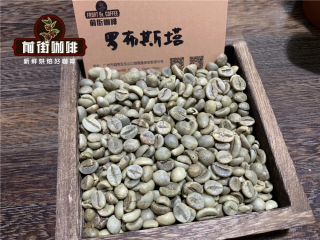
Which country is the Robusta coffee bean from? The difference between Robusta coffee beans and Arabica introduces the origin story in detail.
Robusta, which originated in the Congo basin on the west coast of Africa, should be called "Canefra coffee species" (Congolese species) if it is to be strictly classified according to botany, in order to correspond to the same level of "Arabica coffee species". The reason why it is so ignored by people is that other Canefa species have no enterprisers.

A brief introduction to the description of the flavor, taste and aroma characteristics of high-quality coffee beans with excellent performance.
Due to the unique geographical environment and climatic conditions, Yunnan coffee has formed a unique flavor of strong but not bitter, fragrant but not strong, with a little fruit flavor. World-class coffee experts evaluate it as a good coffee in the world, and its cultivation techniques and per unit yield are also world-class. Yunnan coffee is a variant of the Arabian original species, which is generally called Yunnan small-grain coffee after long-term cultivation and domestication.

Arabica coffee grinding degree, taste characteristics, flavor description, introduction to high-quality coffee beans
Arabica is deeply loved by Chinese people with a short history of coffee contact because of its strong fruity aroma. it was introduced to China by missionaries in the 19th century and was widely planted in Panzhihua, Sichuan, and the dry-hot valley of the Jinsha River in western Yunnan, where the sunshine was long and there was a big temperature difference between day and night. The local people solved the problem of insufficient seasonal rainfall by diverting water up the mountain.

What are the characteristics of Indian coffee? What kind of fine coffee do you have in Indian coffee?
Professional coffee knowledge exchange more coffee bean information please pay attention to the coffee workshop (Wechat official account cafe_style) coffee characteristics: 1, the overall taste of Indian coffee mild, low acidity and high quality, with a strong exotic tone and strong aroma, full-bodied spice, lingering finish. It is praised as the best light coffee in the world. 2. Growth conditions: gas in coffee growing areas in India

World Coffee producing country | brief introduction of Colombian High-quality Coffee Collinto Manor
Professional coffee knowledge exchange more coffee bean information please follow the coffee workshop (Wechat official account cafe_style) Colombia its coffee (Cafe de Colombia) is made in Colombia, is one of the few individual coffee sold in the world under the name of the country. Due to its superior geographical and climatic conditions, Colombian coffee is of high quality and delicious and is famous all over the world. Columbia, mountain

Where can coffee trees be planted in Yunnan under the coffee bean planting program?
There are mainly three kinds of coffee products in the business, and there are different categories under these three varieties. Arabica coffee (arabica) coffee is the most important and the best quality coffee beans, derived from esopian, is currently the most widely cultivated coffee. Liberica coffee comes from Rabindranath Basta (robusta) comes from fruit. The name of the latter indicates that it is rough.